Home-use Neurological Disability Assistive Technology Device
What:
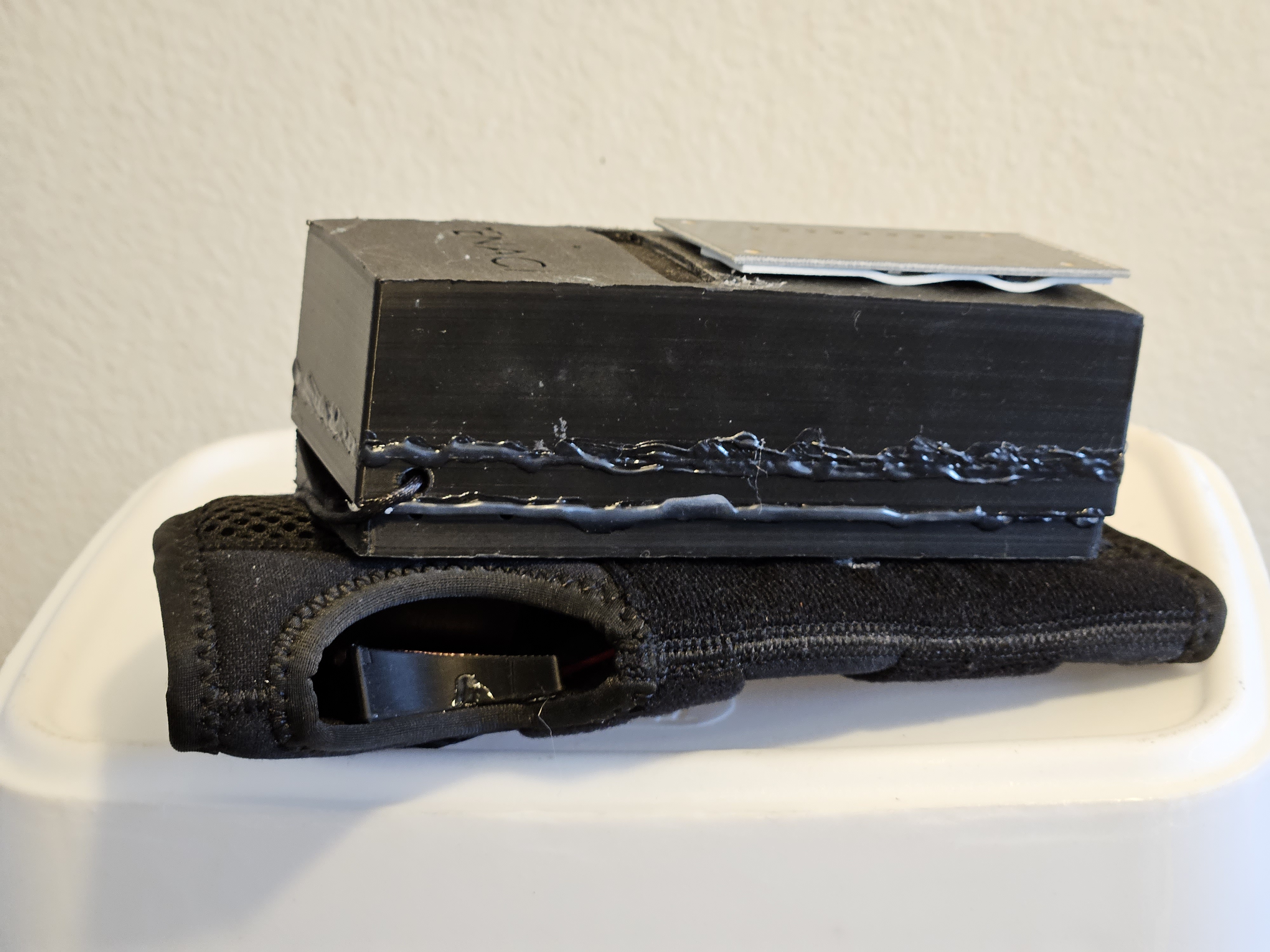
This project focused on developing an assistive technology device to aid patients with chronic hand muscle weakness resulting from stroke or spinal cord injury. The goal was to create a cost-effective, comfortable, and ergonomic solution for home use.
How:
The development process involved:
- Collaboration: Working with Barrow Neurological Institute in Phoenix, AZ, leveraging their neurology and rehabilitation expertise.
- Team Leadership: Leading a multidisciplinary team of six students to innovate and execute the project.
- CAD Designs: Utilizing SolidWorks for designing various prototype components.
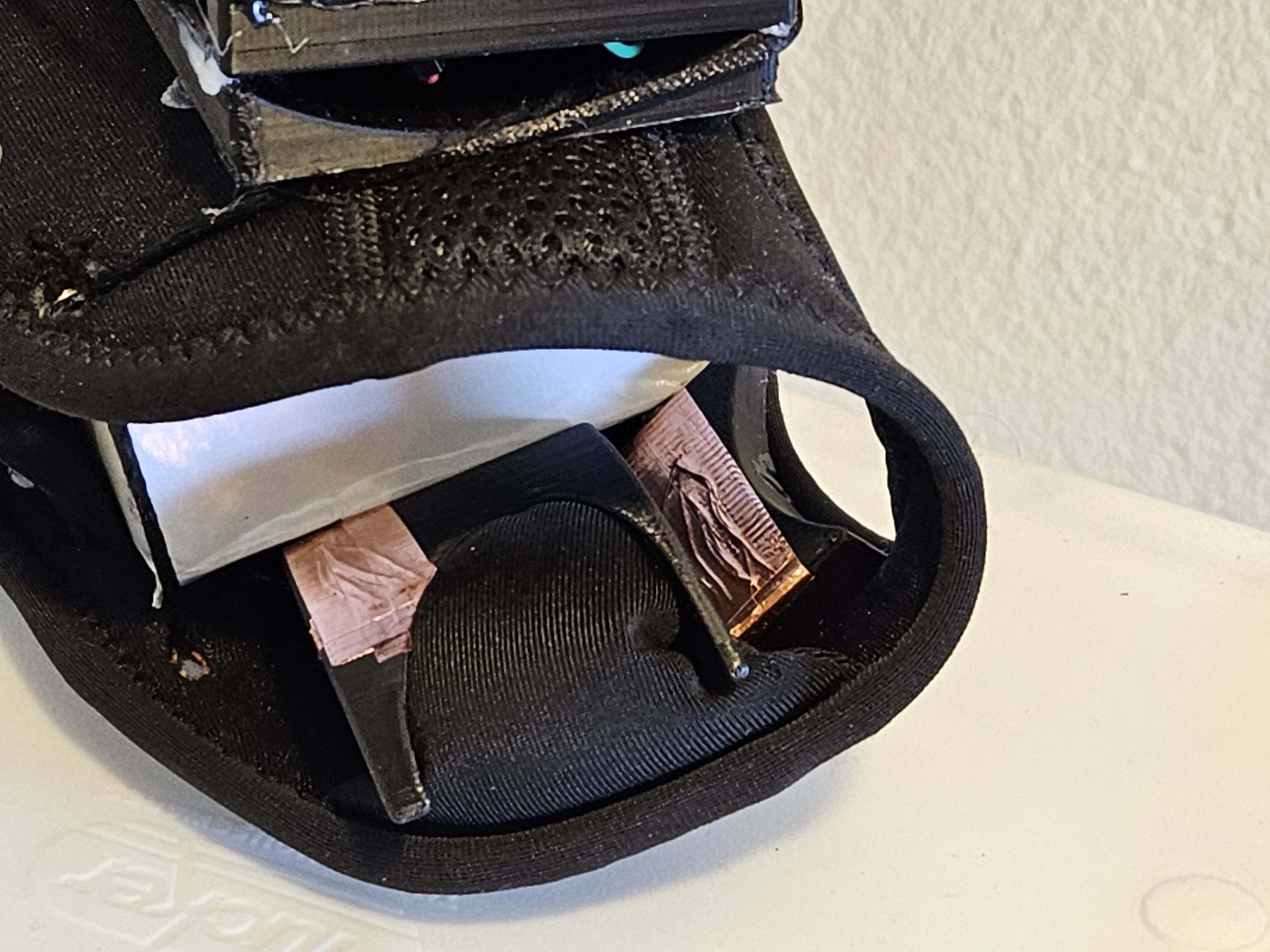
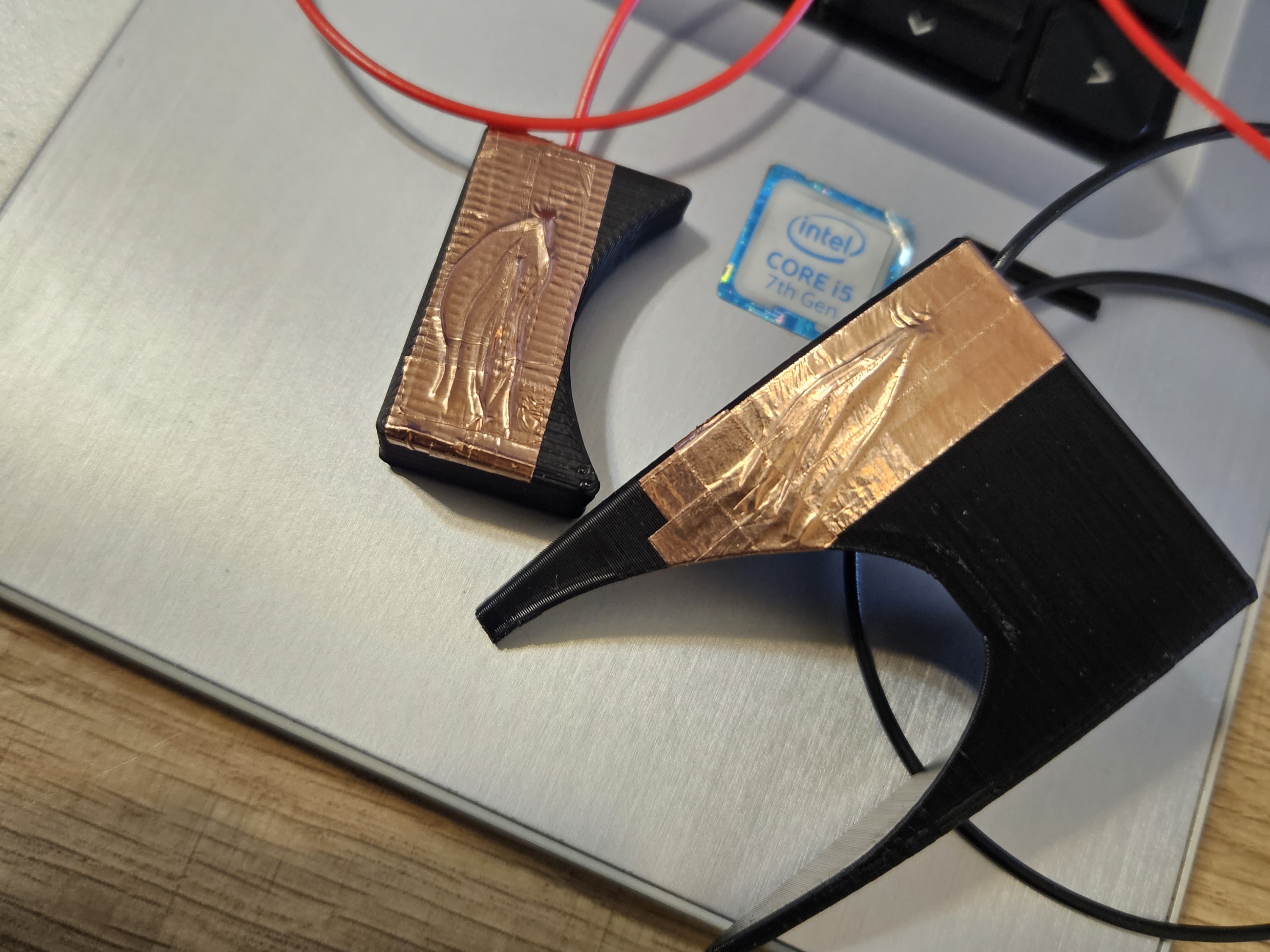
- Prototype Development: Spearheading the development of a novel electric stimulation pad using rapid prototyping and iterative design to address technological issues.
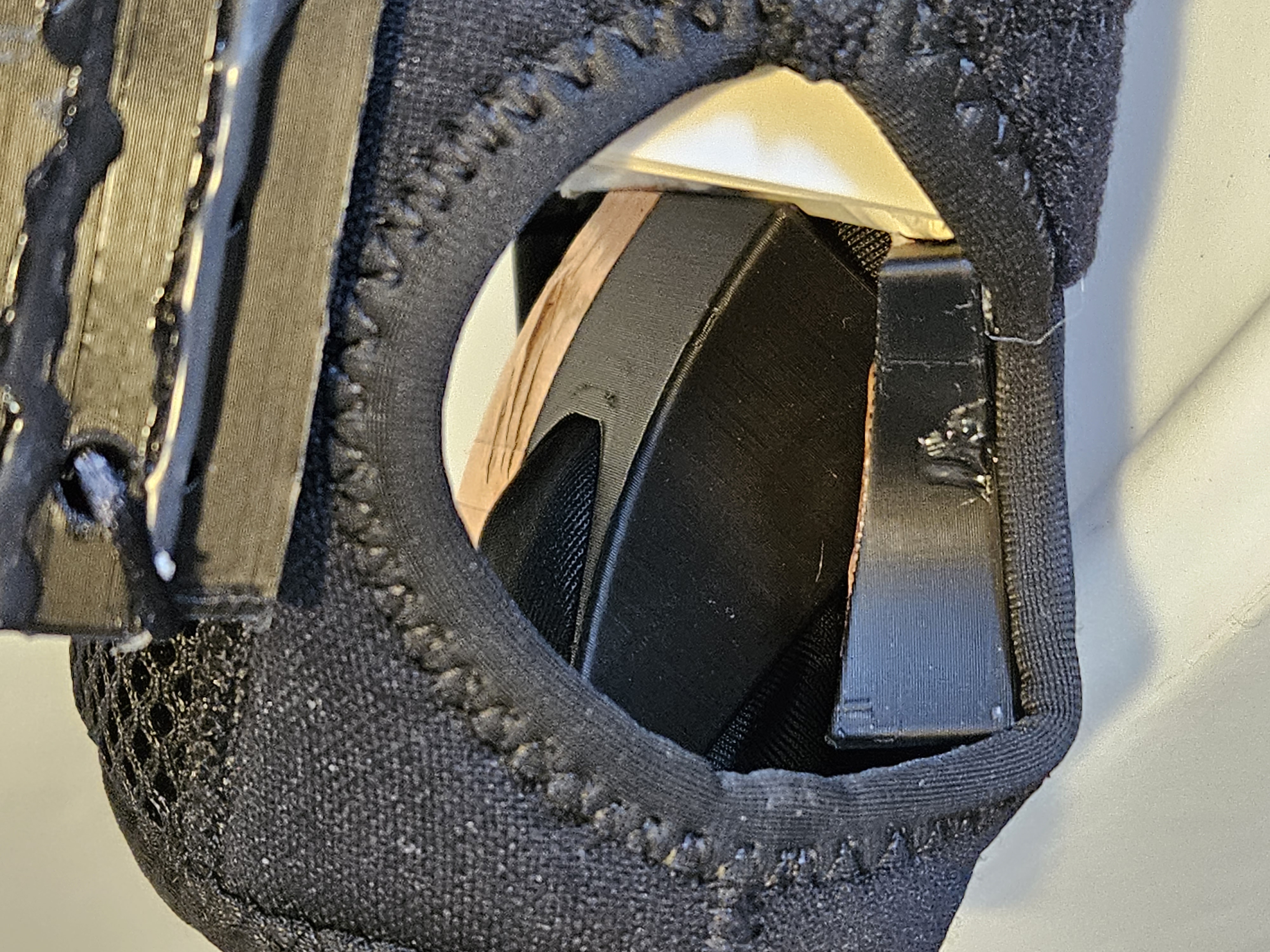
- 3D Printing: Initially testing fitment and comfort with PLA models, then finalizing the prototype using SLS 3D printing with metal to eliminate the need for frequent replacement.
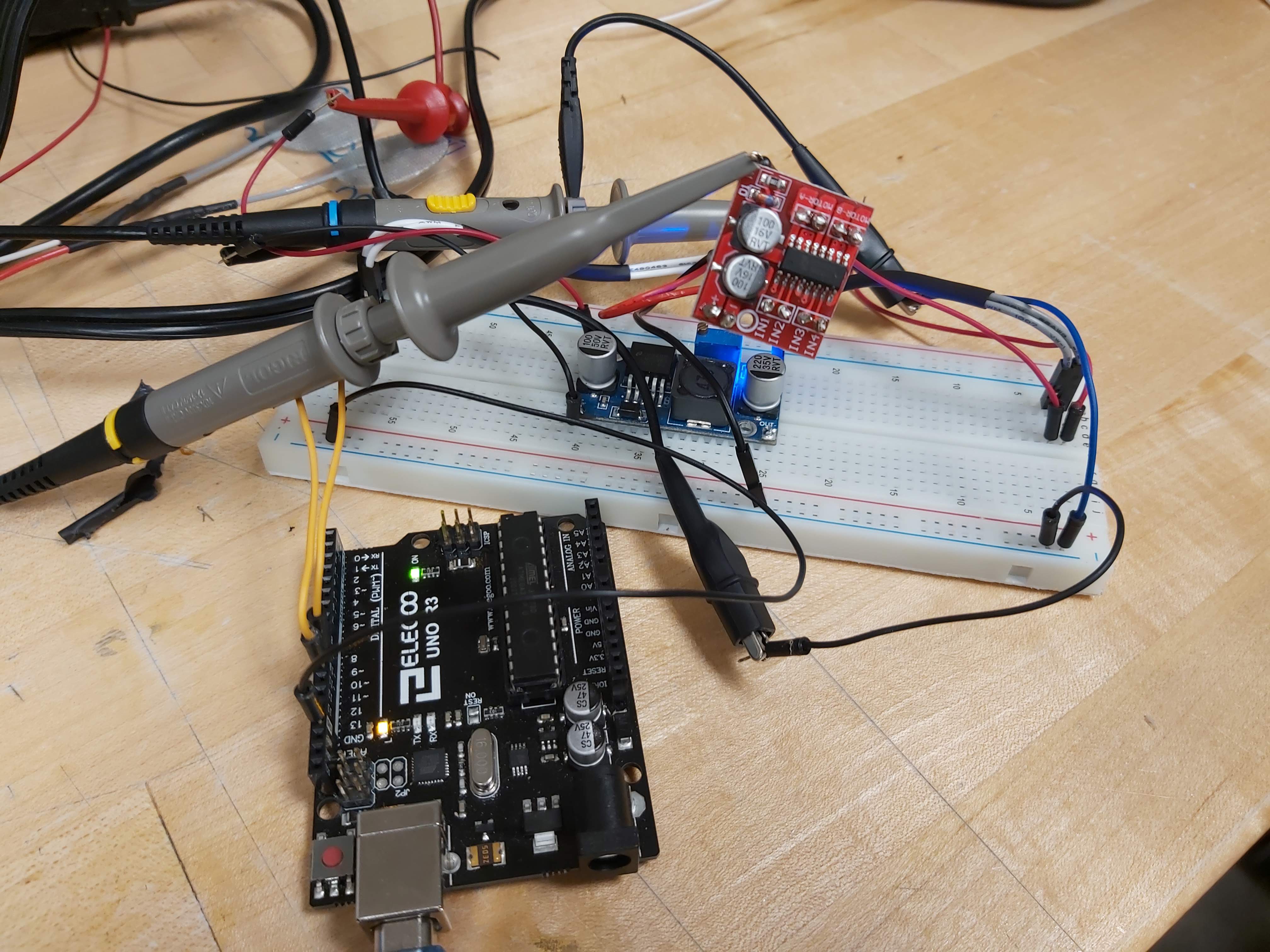
- Integration: Ensuring seamless connectivity and user-friendly operation through the Arduino platform.
- Project Management: Effectively managing the project to win the Best Project Award and secure additional funding.
- Patent Application: Initiating a US Patent Application for the technology, emphasizing innovation and intellectual property development.
Results:
The project resulted in a lightweight, portable, and cost-effective assistive technology device. The effective design and development process led to:
- Winning the Best Project Award.
- Securing additional funding from Barrow Neurological Institute.
- Initiating a US Patent Application (Application number: 66/611,833).
- Creating a device that is accessible, comfortable, and ergonomic for home use, with ongoing refinements as we await the patent application verdict.